
Themes

Culture & heritage
Tango in the milongas of Buenos Aires, adobe villages and carnival in the Quebrada de Humahuaca, Inca and pre-Inca ruins, the Jesuit missions of the northeast, the gaucho towns of the Pampas and the moai of Rapa Nui. These are the places visited for the people who live there and the history they keep, from city neighbourhoods and their artists to rural communities that open their homes and workshops.
Explore →
Deserts & high plateaus
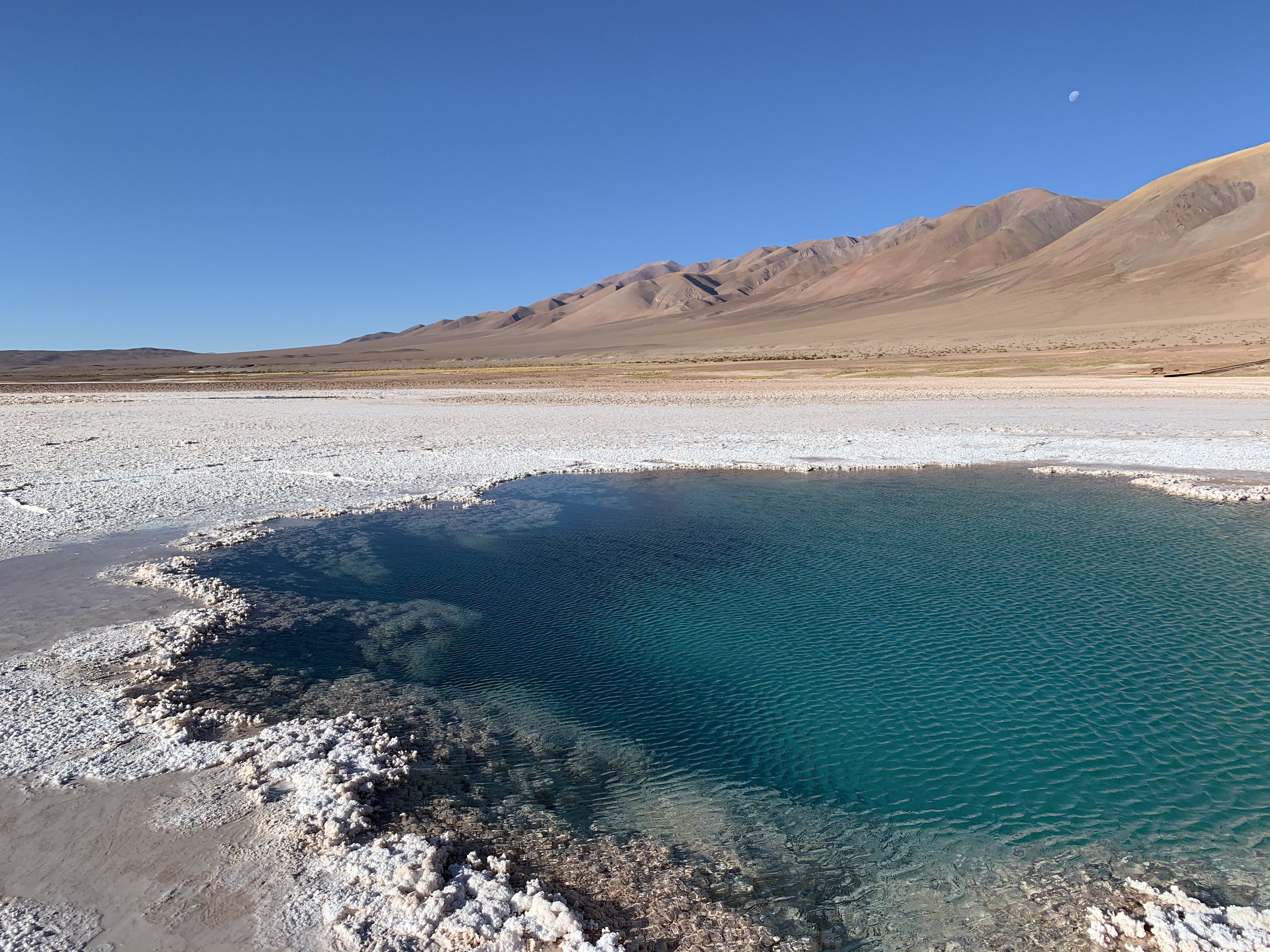
Above 3,500 metres the Andes open into the Puna and the Altiplano, shared by Argentina, Chile and Bolivia: salt flats like Salinas Grandes and Uyuni, lagoons full of flamingos, volcanoes, geysers and fields of white pumice around the Atacama. Lower down, Ischigualasto and Talampaya keep red canyons and some of the oldest dinosaur beds on earth, for travellers drawn by emptiness, clear light and altitude.
Explore →

Estancias & rural life
The estancia is where the Argentine countryside opens its gates: cattle ranches in the Pampas, sheep farms on the Patagonian steppe, colonial haciendas in Salta and Tucumán, working land on the edge of the Iberá, and the estancias of Uruguay across the river. A day of riding, shearing and gauchos at work with an asado under the trees, or a few nights at the family table, is the closest a traveller gets to rural life as it is still lived.
Explore →
Food
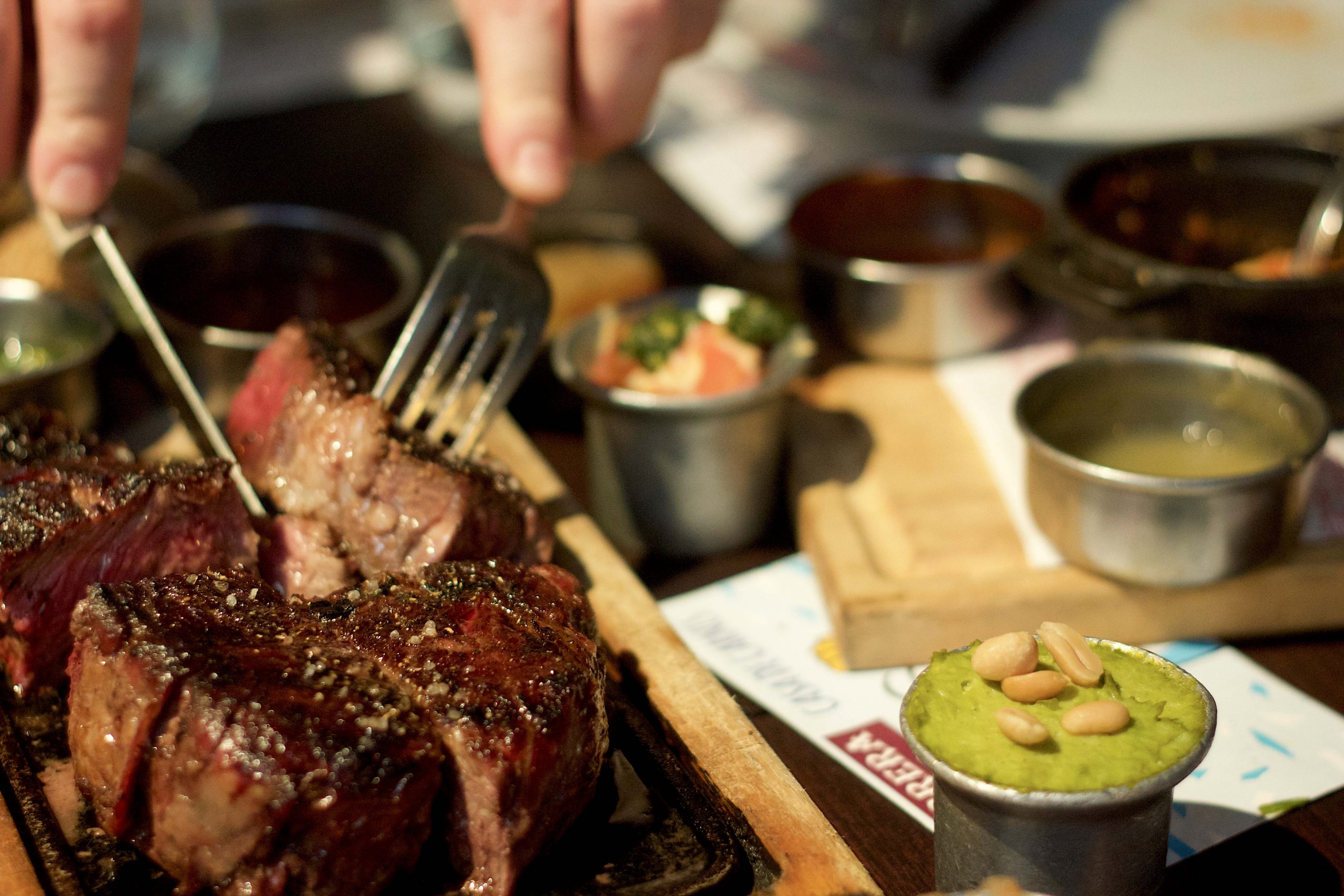
Argentina cooks over fire: the asado and the parrilla, empanadas that change from one province to the next, Andean dishes of maize, quinoa and goat in the Northwest, Patagonian lamb and king crab in the far south. These are the markets, cooking classes, closed-door restaurants and family tables where eating is the reason to go, in Buenos Aires and across the country.
Explore →
Road trips
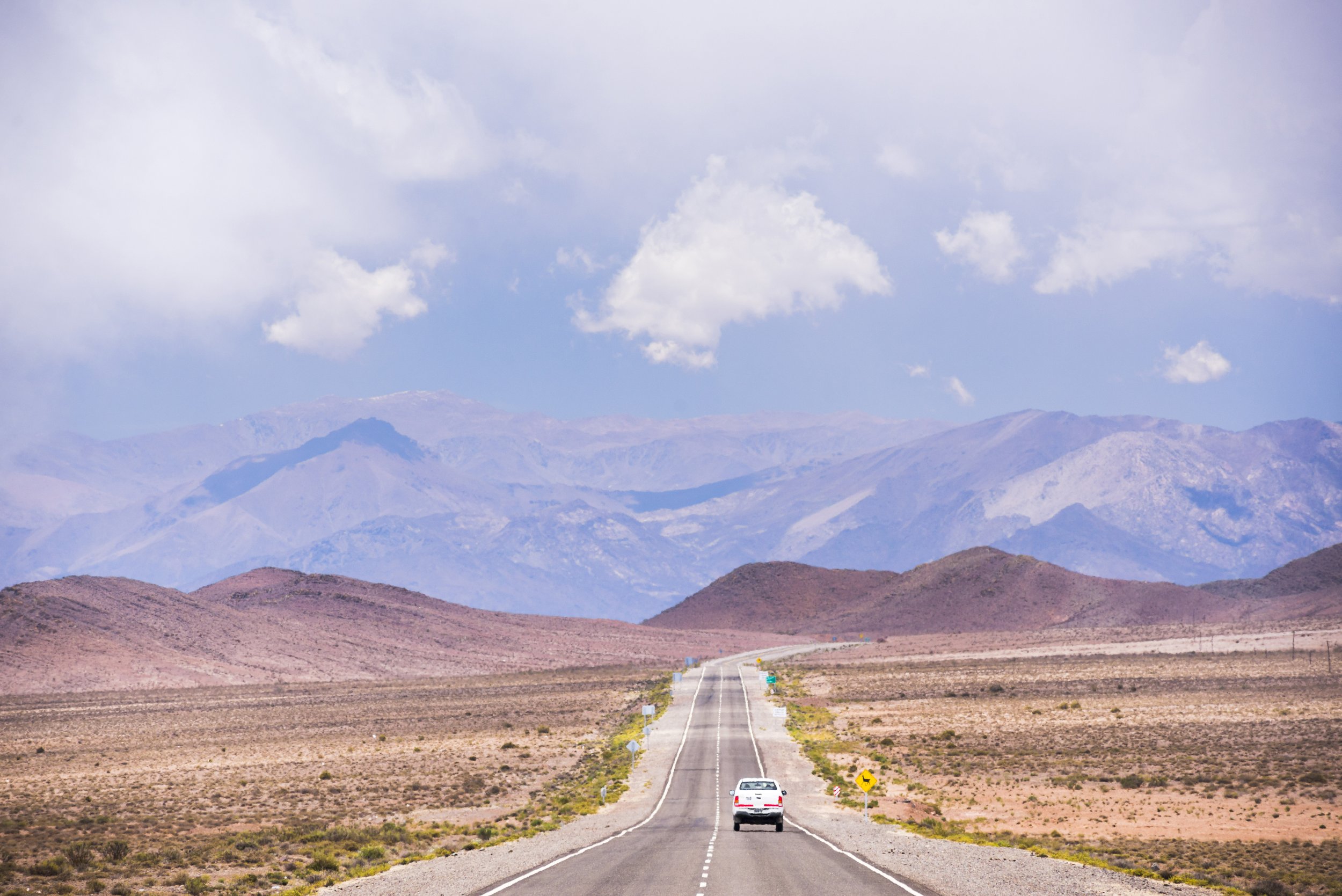
Some of the great drives of the world are here: the Ruta 40 along the foot of the Andes, the Carretera Austral through the fjords of Chile, the Seven Lakes road, the Calchaquí valleys and the crossing from the Puna to the Atacama. Roads are quiet, distances are long and the landscape changes by the hour, and these journeys are built for travellers who want to take the wheel or let the road itself be the point of the trip.
Explore →

Trekking & mountains
The Andes run the full length of Argentina and Chile, and the best walking follows them: the granite of Fitz Roy above El Chaltén, the W of Torres del Paine, the lakes and refuges around Bariloche, the Inca trails of the Northwest and the approach to Aconcagua. From full days on marked trails to traverses with porters and nights in mountain huts, these are the routes and lodges for travellers who want the mountains on foot.
Explore →

Wildlife
Southern right whales calving in the gulfs of Península Valdés, penguin colonies along the Patagonian coast, caimans, capybaras and the returning jaguar in the Iberá wetlands, condors over the Andes and flamingos on the lagoons of the Puna. Animals here are seen where they live, often at close range, and the season decides where to go: whales from June to December, penguins from September to March, the wetlands all year round.
Explore →
Wine
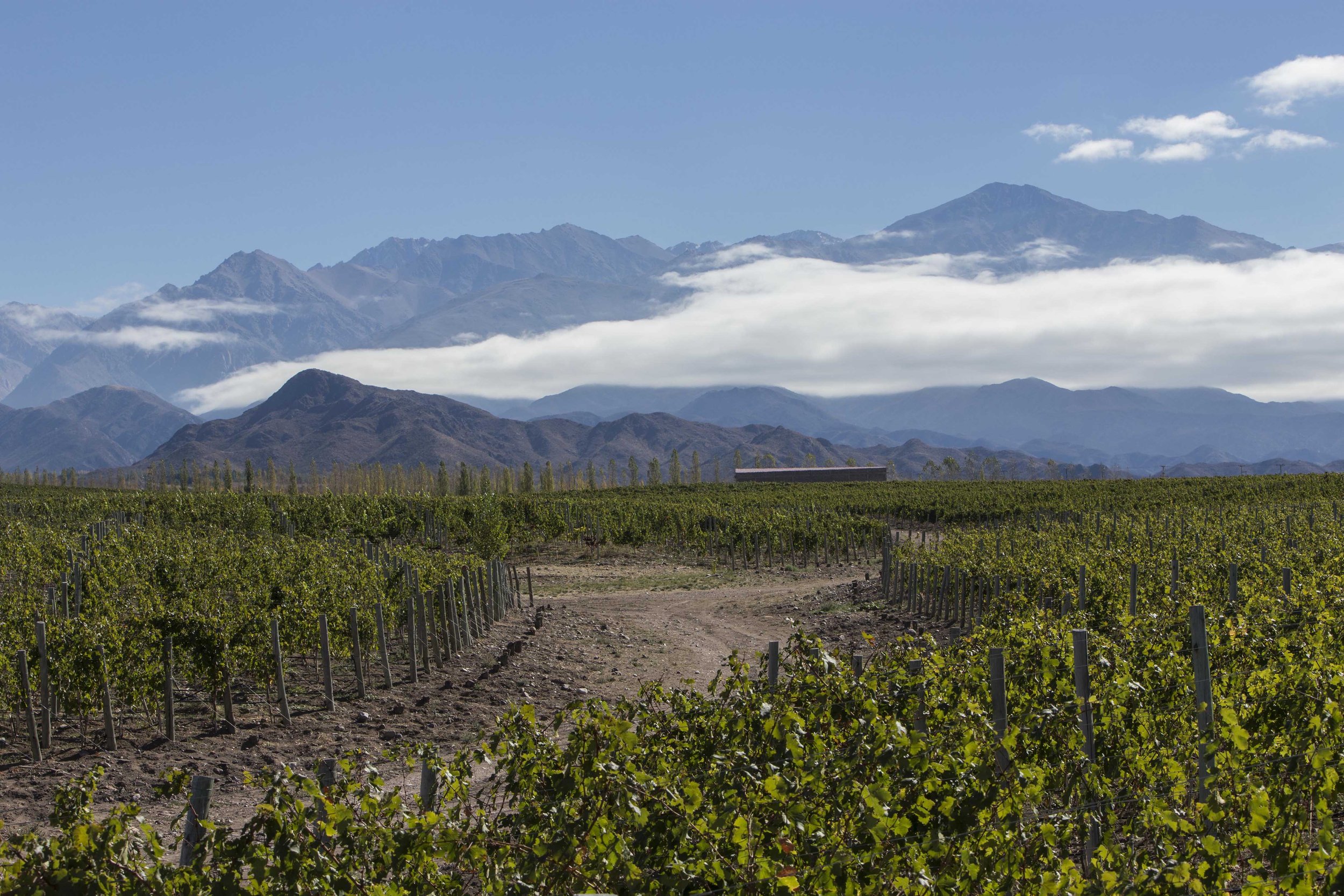
From the desert oases of Mendoza and San Juan to the high-altitude vineyards of Cafayate and the cool coastal valleys of Casablanca and Colchagua in Chile, this is some of the most dramatic wine country on earth. Malbec and Torrontés grow under the Andes on land watered by snowmelt, and the way to understand them is to sleep among the vines, taste with the people who make the wine and stay for lunch at the winery table.
Explore →
Your team on the ground, to deliver great stories together
Kallpa Tour Operator is a destination management company that designs and operates journeys in Argentina, Chile and their neighbours for travel companies around the world. Every story on this site is written from the ground.