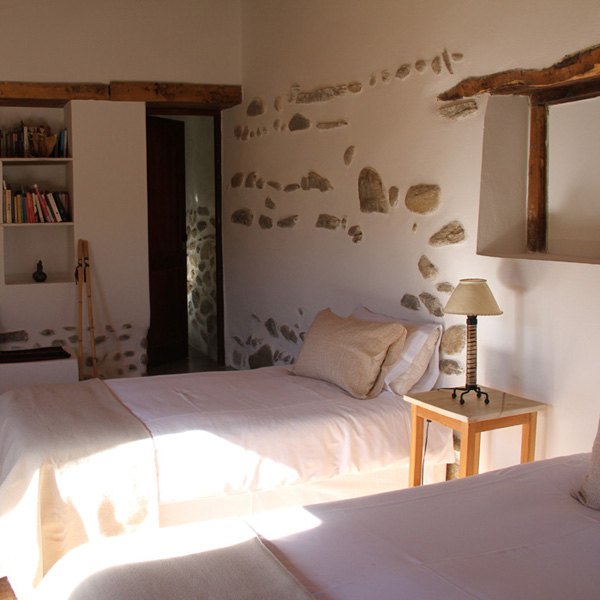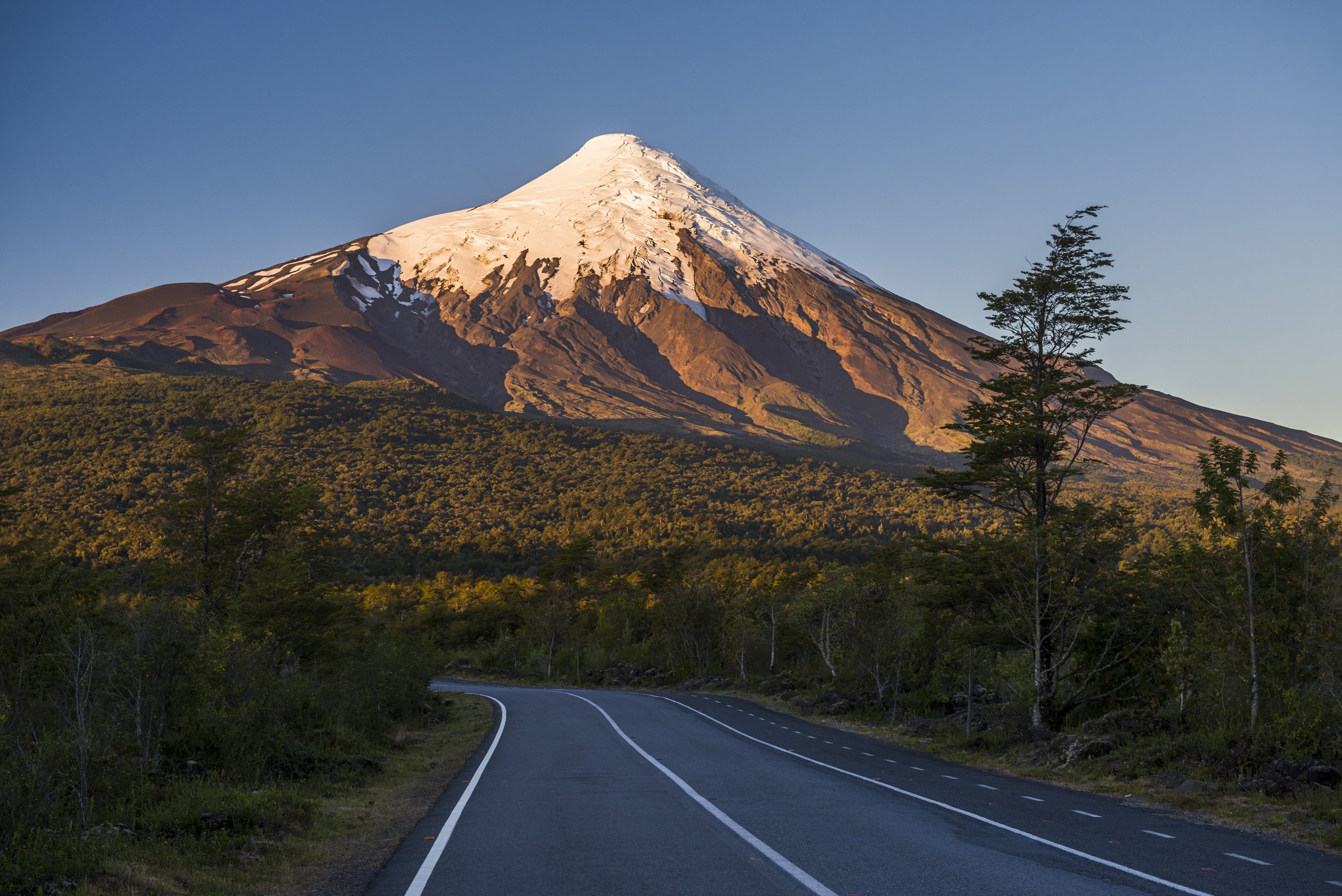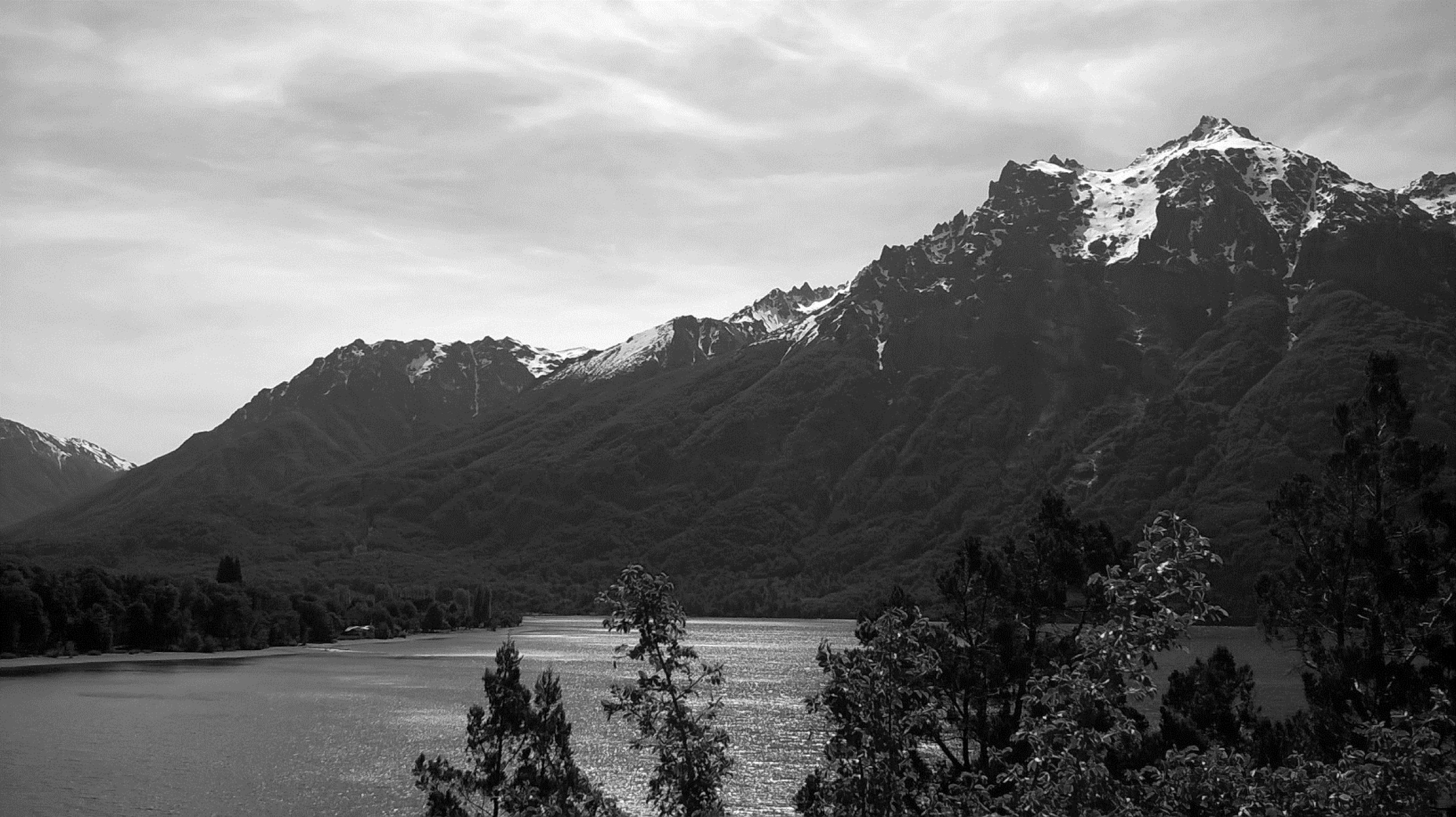

The Northwest was ranch country long before it was wine country, and some of its oldest estancias still receive guests. This self drive enters the region by the less travelled door, from Tucumán up through the cloud forest to Tafí del Valle, and threads its way north to Salta and Jujuy sleeping where the history is: a valley estancia, a room among the vines, a hill house above Cachi, an old house with a jasmine garden, and finally El Bordo de las Lanzas, a working ranch whose deeds go back to 1609.
Day 1 · Through the Yungas to Tafí del Valle
Highlight · The cloud forest of the Quebrada de los Sosa thinning out as the valley of Tafí opens below.
Drive · 125 km · paved
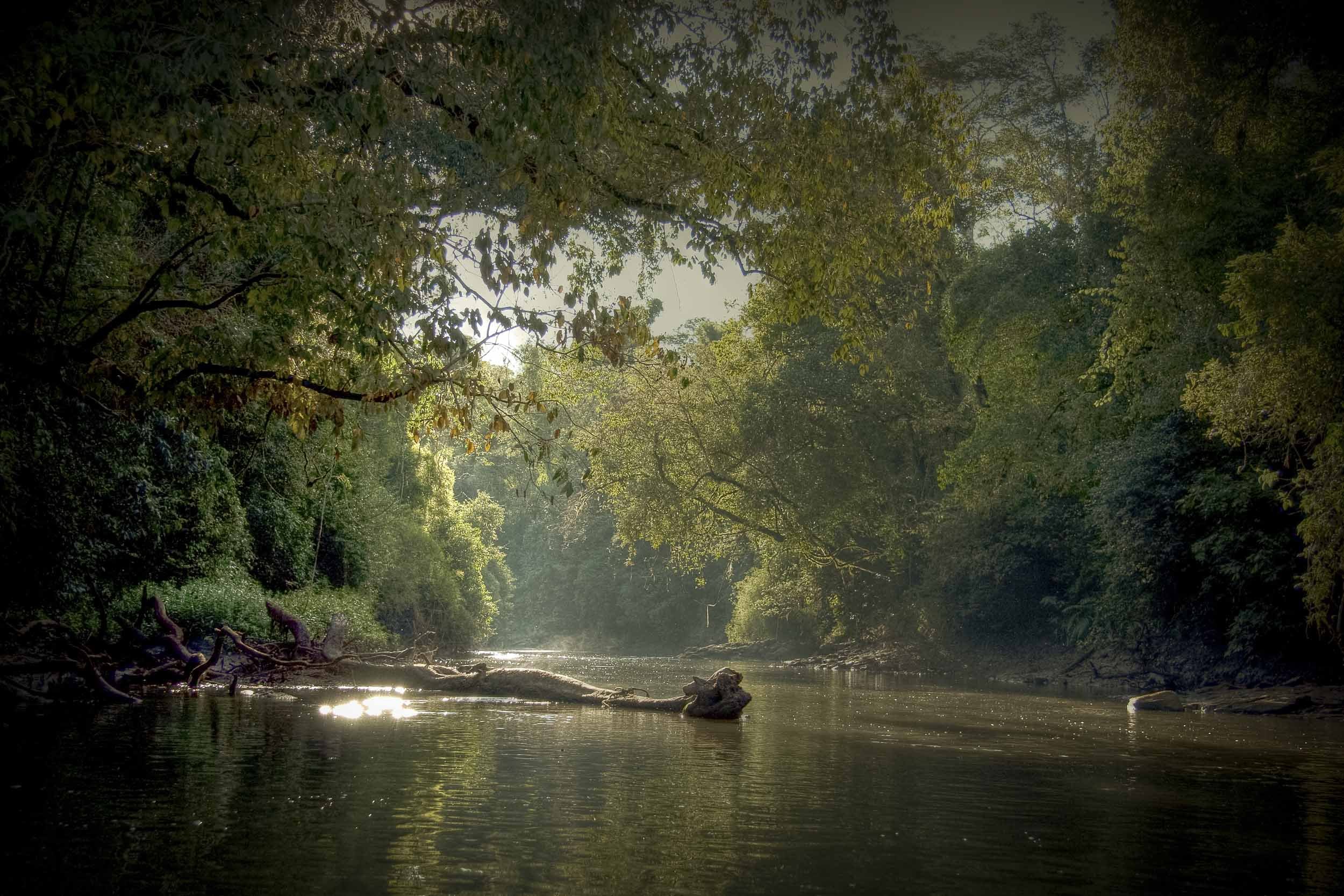
Tucumán, the "Garden of the Republic", is sugar-cane country and the city where independence was declared. The road climbs the Quebrada de los Sosa, a reserve of humid cloud forest along the river, until the vegetation thins past the monument to El Indio and the valley of Tafí opens below. The night is at an estancia 12 km beyond the town.
Night · Tafí del Valle
Day 2 · Amaicha, Quilmes and Cafayate
Highlight · The ruins of Quilmes, citadel of the people who held out longest against the Spanish.
Drive · 121 km · paved
Over the pass and down into the Calchaquí valleys. Amaicha del Valle, with its Pachamama museum, claims 360 days of sun a year; the ruins of Quilmes are the citadel of the people who resisted the Spanish longest in these valleys. Cafayate has its artisan market, its wine museum and its wineries, where Torrontés, brought from Spain three centuries ago, makes a dry, intensely scented white. The night is in a vineyard a few kilometres out of town.
Night · Cafayate
Day 3 · Ruta 40 to Cachi
Highlight · Sunset from Cachi's cemetery, over the town and the valley.
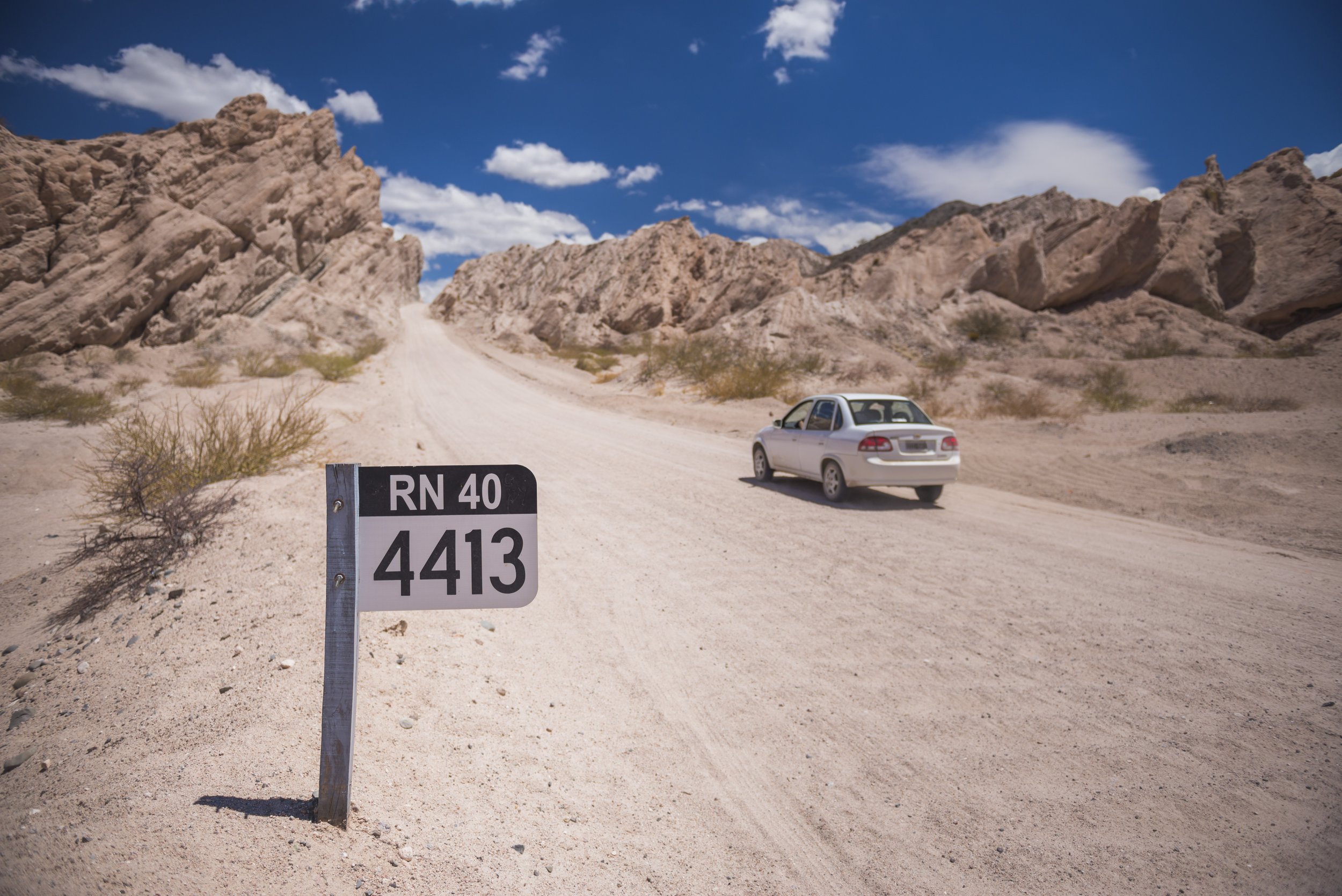
Drive · 162 km · only 24 km paved
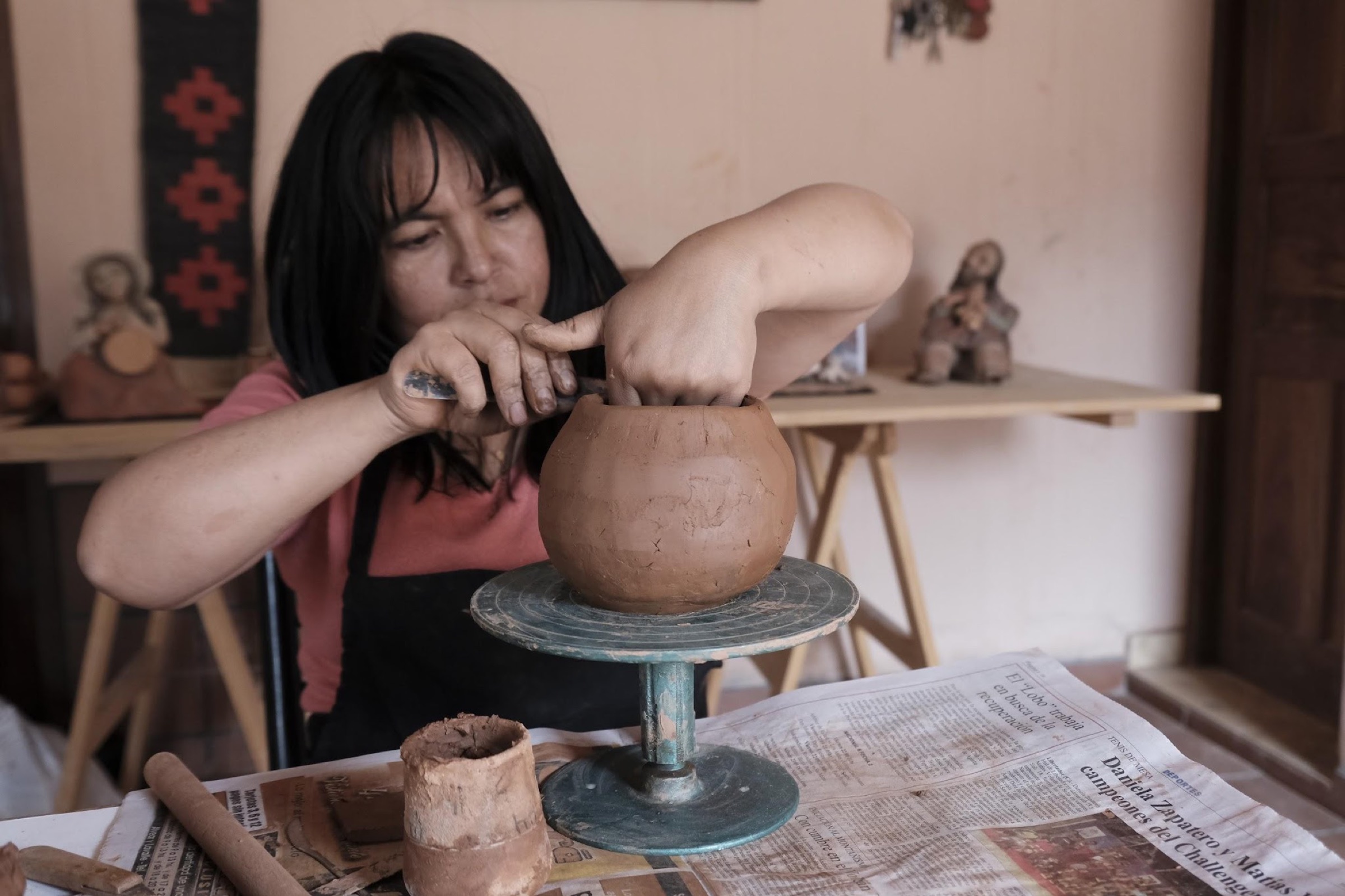
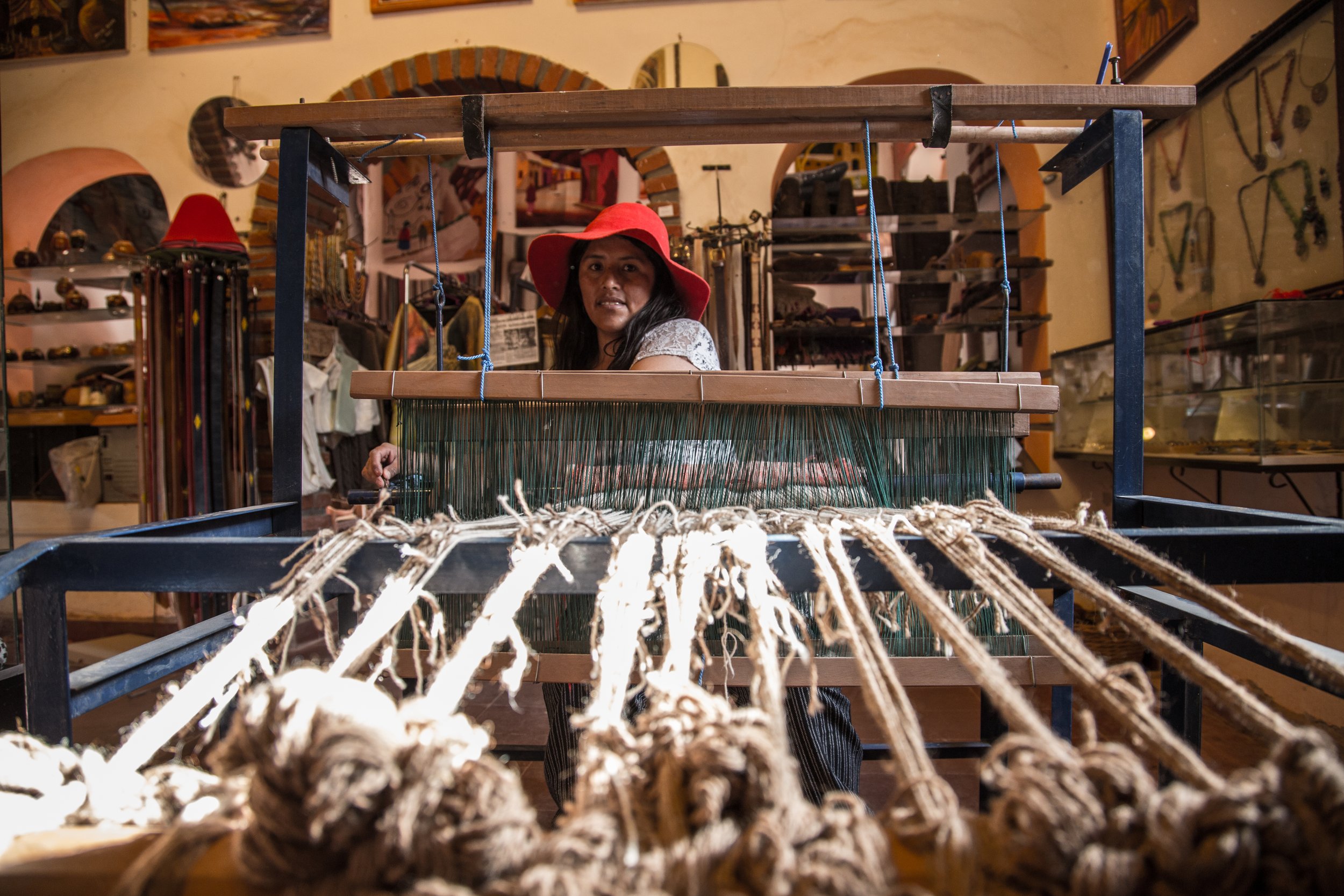
North through the white blades of the Quebrada de las Flechas, twenty metres high, past Angastaco to Molinos, with its church, the old governor's house and the Coquena vicuña breeding centre. The Churcal road, a little longer, follows the farms past the old mill that gave Molinos its name; from Seclantás, a detour across the river to the weavers of red-and-black ponchos. In Cachi, the adobe church with its cactus-wood ceiling, the archaeological museum and, at sunset, the view from the cemetery over the town and the valley.
Night · Cachi
Day 4 · Los Cardones and the Cuesta del Obispo
Highlight · The Piedra del Molino at 3,348 m, and the switchbacks of the Cuesta del Obispo below.
Drive · 160 km · about 30 km gravel
Past Payogasta, along the thirteen-kilometre Recta del Tin Tin at 3,000 m through the Los Cardones national park, up to the Piedra del Molino at 3,348 m and down the switchbacks of the Cuesta del Obispo into the Lerma valley. The night is in an old house in La Merced Chica, on the edge of Salta.
Night · Salta
Day 5 · Quebrada de Humahuaca
Highlight · The Paleta del Pintor at Maimará, and an Andean cooking class in Tilcara.
Drive · 198 km · paved
North, past Yala, León and Volcán into the Quebrada de Humahuaca, a valley that has been a trade route for 10,000 years and carried the Inca road. Tumbaya with its octagonal square, Maimará and the Paleta del Pintor, then Tilcara and a cooking class with lunch in the kitchen of an Andean restaurant. 26 km more to Purmamarca.
Night · Purmamarca
Day 6 · To El Bordo de las Lanzas
Highlight · An afternoon of cattle work with the gauchos on one of the oldest estancias in the country.
Drive · 130 km
To El Bordo, east of Salta, and one of the oldest estancias in the country, still a working ranch. The afternoon belongs to its life: horse riding, birdwatching, cattle work with the gauchos, the caiman reserve, the crops, bicycle and sulky rides, or a book in the shade.
Night · Salta
Day 7 · El Bordo to Salta
Highlight · A last morning on the working ranch before the road back to Salta.
Drive · 72 km
To Salta airport, where the car is returned.